




Join Our Newsletter
Free US Shipping On Orders Over $99
Free US Shipping On Orders Over $99
Liquid error (snippets/mobile_header line 107): include usage is not allowed in this context
Free US Shipping On Orders Over$99
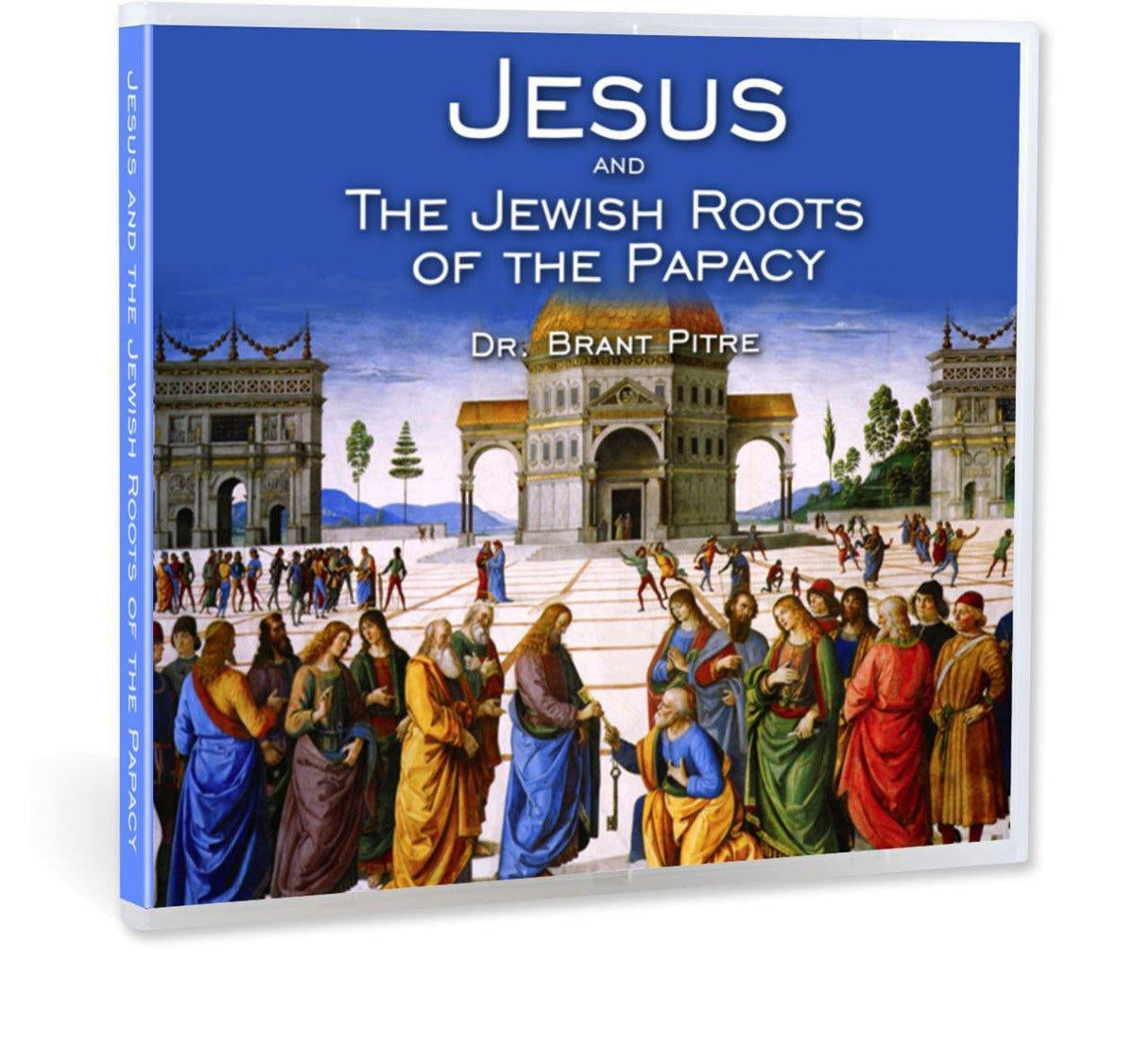
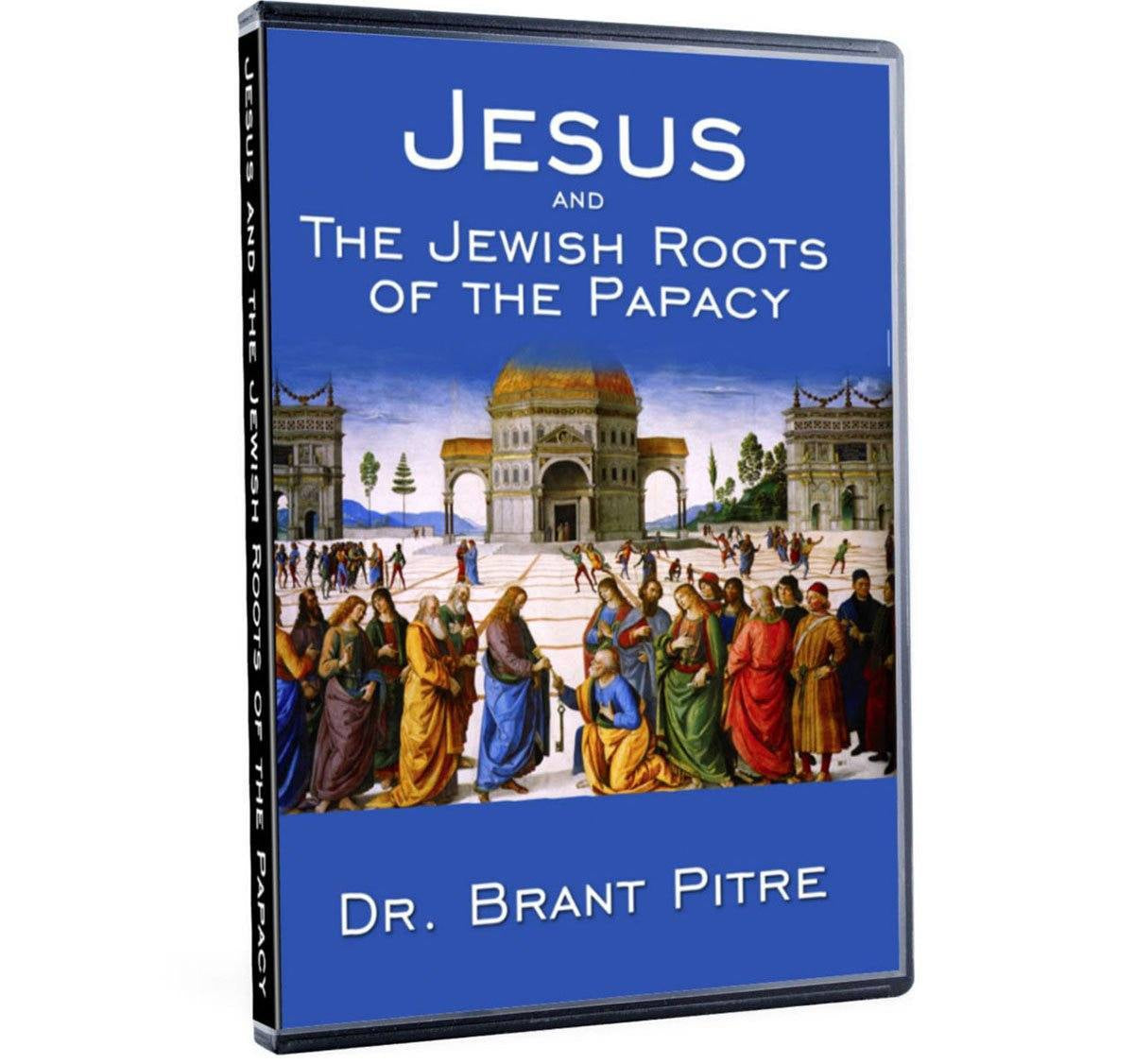
Jesus and the Jewish Roots of the Papacy — CD
$ 8.95

Jesus and the Jewish Roots of the Papacy

Adam B Verified Buyer
As always, Dr. Pitre had a fantastic presentation on Catholic teaching. I learned a lot about the Jewish Roots of the Papacy. A great video for anyone who has questions about the Papacy. Thank you!

Jesus and the Jewish Roots of the Papacy


• What did it mean to call Peter "The Rock"?
• Why did Jesus only give Peter "the keys of the kingdom"?
• How does Isaiah 22 unlock the meaning of Matthew 16?

$ 8.95

| /

CP 164

Rendering loop-subscriptions
Single Copy
Just this study
★ Most Popular
Bundle & Save
Save up to 20%
Group or Gift
Save up to 25%
Group or gift option only available for physical products

Customers Who Ordered This Also Got

  • 54 min. (1 CD / 1 DVD / MP3 / MP4)

    In this information-packed presentation, Dr. Brant Pitre applies his knowledge of ancient Judaism to the heart of the division between Catholics and Protestants: the office of the papacy. Did Jesus intend Peter to be the first “pope”? Or is the papacy a later invention of a corrupted Church? Did Peter have primacy over the rest of the apostles? If so, was Peter supposed to have successors?

    Dr. Pitre will answer these and other important questions, and in doing so, you will learn about:


    Ancient Jewish Tradition: Where do we get our information about ancient Jewish practices and beliefs? What are the Mishnah, the Tosefta, and the Talmuds? When were they written, and why are they important?

    The Foundation Stone in Jewish Tradition: Jesus calls Peter “the Rock” upon which he would build his Church. How is this tied to ancient Jewish beliefs about the “Foundation Stone” upon which the Temple in Jerusalem was built?

    The Keys of the Kingdom: Why does Jesus give the “keys of the kingdom” to Peter alone? What were these keys in ancient Jewish tradition? Does the fact that they were kept by priests in the Temple suggest that Jesus saw Peter as a priest?

    The Power to Bind and Loose: Jesus gives Peter the power to “bind” and “loose” on heaven and earth. What would this have meant to an ancient Jew, who thought that the Pharisees could “bind and loose” when they spoke from the “seat” (cathedra) of Moses?

    The Priestly Prime Minister of Isaiah 22: Most scholars recognize that Jesus is identifying Peter with the “prime minister” of Isaiah 22. But what often gets missed is that the prime minister is both a royal and priestly leader.


    As you will see, when Jesus’ words to Peter in Matthew 16 are placed in their ancient Jewish context, it is indisputable that Jesus is establishing Peter as the visible head of the Church on earth. As one Protestant biblical scholar concluded: from an ancient Jewish perspective, Jesus makes Peter nothing less than the “supreme Rabbi” who can decide by “doctrinal decision” what Christians must and must not do.


    If you’ve ever wrestled with the question of papal authority, or know someone who has doubts about whether Jesus instituted the papacy, then this Bible study will prove invaluable to you.

  • Yotpo

Further Study Details & FAQ

A closer look at the biblical texts and sources behind this study, for those who want more detail before purchasing.

Key passages & sources examined: Matthew 16 (Peter as 'the rock' and the keys of the kingdom) read in light of Isaiah 22 (the royal steward), together with ancient Jewish sources — the Mishnah, Tosefta, and Talmuds — on the 'Foundation Stone' and the power to 'bind and loose.'

What Bible passages and sources does this study use?

Mainly Matthew 16 and Isaiah 22, read alongside ancient Jewish tradition (the Mishnah, Tosefta, and Talmuds).

What are the Mishnah and Talmud, and why do they matter here?

They are collections of ancient Jewish teaching; the study uses them to recover what 'the rock,' 'the keys,' and 'binding and loosing' meant in Jesus' Jewish world.

Is this suitable for individual study or a group?

Both. It works for personal study or group discussion.