




Join Our Newsletter
Free US Shipping On Orders Over $99
Free US Shipping On Orders Over $99
Liquid error (snippets/mobile_header line 107): include usage is not allowed in this context
Free US Shipping On Orders Over$99
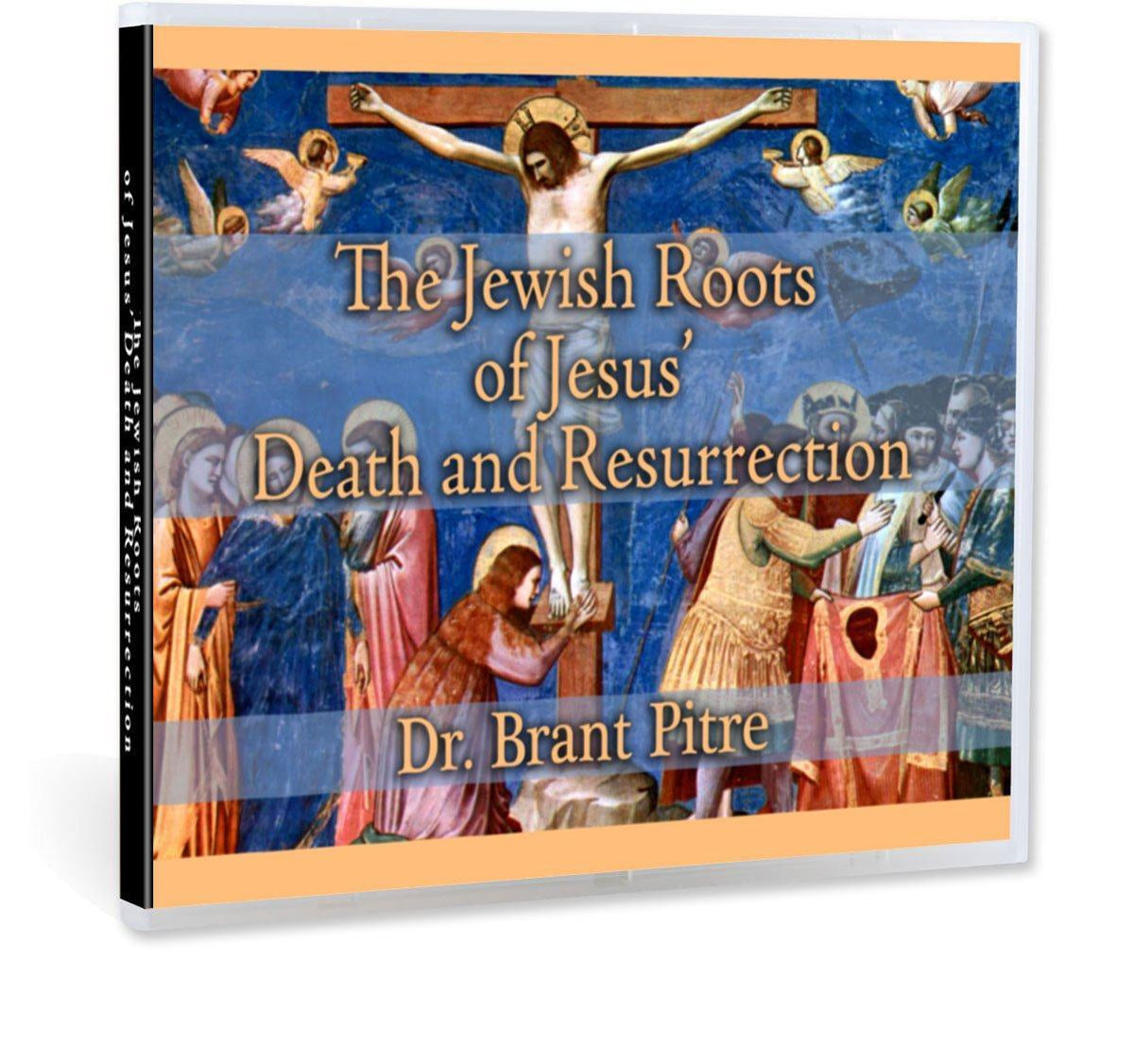
The Jewish Roots of Jesus Death and Resurrection — CD
$ 8.95

The Jewish Roots of Jesus Death and Resurrection

Trevor B Verified Buyer
Dr. Pitre does a great job focusing on two themes that show the Jewish roots and the Catholic Christian implications in a deep way.

The Jewish Roots of Jesus Death and Resurrection


• Why do the Gospels stress that Jesus died at 3 P.M.?
• What was the Jewish liturgical calendar like?
• Why do Catholics worship on the New Sabbath (Sunday)?

$ 8.95

| /

CP 162

Rendering loop-subscriptions
Bundle & Save
See more bundles
Volume Discount
See more discounts

Loading...

Customers Who Ordered This Also Got

  • 58 min. (1 CD / 1 DVD / MP3)

    In the Sermon on the Mount, Jesus says to the people: “Think not that I have come to abolish the Law and the prophets; I have come not to abolish them but to fulfill them” (Matthew 5:17).

    In this Bible study, Dr. Pitre takes two aspects of the ancient Jewish Law: the daily “perpetual sacrifice” known as the Tamid and the weekly day of rest and worship known as the Sabbath and shows how Jesus truly fulfilled both of these Jewish feasts in his passion, death, and resurrection from the grave. In this ground-breaking Bible study, you’ll learn about:


    The Jewish Liturgical Year: How the Jews followed a liturgical calendar much like Catholics today, with daily, seasonal, and annual feasts—all of which are fulfilled by Jesus

    The “Perpetual Sacrifice”: How the daily Jewish sacrifice known as the tamid (“perpetual offering”) points forward to and was fulfilled in a unique way by Jesus’ passion and death

    Why Jesus Was Crucified at 3 p.m.: The Evangelists stress that Jesus died at the “ninth hour” (=3p.m.) on Friday afternoon. Why? What would this time have meant to a first-century Jew?

    What the Jewish People were Praying for in the Temple at the Time of Jesus’ Death: The Jewish Rabbis have preserved an ancient form of the “Eighteen Benedictions,” which were prayed by Jews daily in the Temple; find out how God answered their prayers for redemption and the coming of the Messiah at the very moment they were praying for them.

    How Jesus fulfilled the Jewish Sabbath: Why do Catholics worship on Sunday rather than Saturday (the Jewish Sabbath)? How did Jesus’ fulfillment of the Sabbath usher in a new creation?


    If you’ve ever been confronted by Seventh-Day Adventist rejections of Sunday worship, if you’re looking to get more out of meditation this Lent, or if you’ve ever just wanted to understand the mystery of Jesus’ death and Resurrection more deeply, then this Bible study is for you.

  • Yotpo

Further Study Details & FAQ

A closer look at the biblical texts and sources behind this study, for those who want more detail before purchasing.

Key passages & sources examined: The Old Testament commands for the daily 'tamid' sacrifice (Exodus 28–29) and the Sabbath (Genesis 1–2; Exodus 20; Leviticus 24), the crucifixion accounts in Mark 15 and Luke 23–24, the ancient Jewish 'Eighteen Benedictions,' and the Catechism (CCC 2174–75) with early witnesses such as St. Justin Martyr and St. Ignatius of Antioch.

What passages and sources does this study examine?

The Old Testament laws for the daily 'tamid' sacrifice and the Sabbath (Exodus, Genesis, Leviticus), the crucifixion narratives in Mark and Luke, the Jewish 'Eighteen Benedictions,' and the Catechism, with early Church writers.

Does it use Jewish sources beyond the Bible?

Yes — it draws on the ancient Jewish daily prayers and Temple practice to show what was being prayed in the Temple at the very hour of Jesus' death.

Does it address why Catholics worship on Sunday rather than the Sabbath?

Yes — it takes up that question directly from Scripture and the Catechism, which is useful when Seventh-Day Adventist objections come up.

Is this suitable for individual study or a group?

Both. It works for personal study or group discussion, and a printable outline is included.