



Join Our Newsletter
Free US Shipping On Orders Over $99
Free US Shipping On Orders Over $99
Liquid error (snippets/mobile_header line 103): include usage is not allowed in this context
Free US Shipping On Orders Over$99
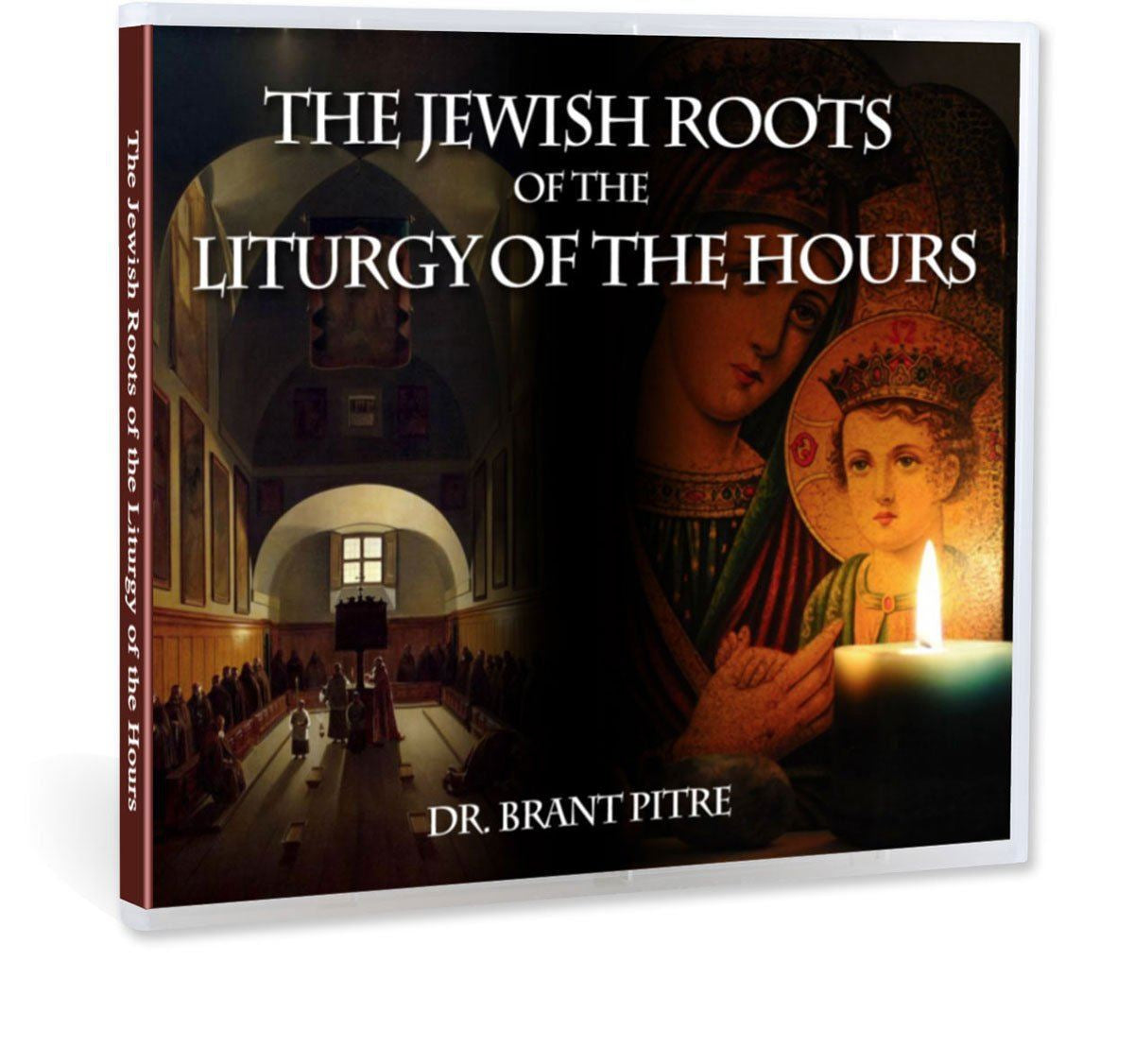
The Jewish Roots of the Liturgy of the Hours — CD
$ 8.95

The Jewish Roots of the Liturgy of the Hours

Arash Noori Verified Buyer
… This amazing talk by Dr. Pitre is wonderfully informative, and yet spiritual (like all of his talks). I highly recommend it if you’re interested in the origins of the office and psalmody in Christian and Jewish practice. Better yet, if you know nothing about the office, learn from Dr. Pitre and become a better, more prayerful Catholic today!!!

The Jewish Roots of the Liturgy of the Hours


• What is the "Liturgy of the Hours"?
• What Jewish prayers correspond to these prayers?
• What were Jews praying for when Jesus was crucified?

$ 8.95

| /

CP 213

Rendering loop-subscriptions
Bundle & Save
See more bundles
Volume Discount
See more discounts

Loading...

Customers Who Ordered This Also Got

  • 59 min. (1 CD / MP3)

    According to the Catechism of the Catholic Church, the “Liturgy of the Hours”—also known as the “Divine Office” or the “Breviary”—is “the public prayer of the Church” (CCC 1174). In recent years, this prayer has grown in popularity amongst Catholics of all stripes, clergy, religious, and laity. Yet what are the biblical roots of the Liturgy of the Hours? Why does the Catholic Church require its priests to pray it multiple times throughout the day? And why does it consist of so many selections from the Book of Psalms? How can we come to understand this prayer better?

    In this extraordinary new lecture, Dr. Pitre uses his knowledge of the Old Testament liturgy at the time of Jesus to shed fresh light on the Jewish roots of this most Catholic of prayers. In this new series, you will learn:


    • The Jewish custom of praying Morning, Midday, and Evening Prayers
    • Why these ancient Jewish Prayers were tied to the “Perpetual Sacrifice” in the Temple
    • The New Testament evidence that the Apostles prayed at set hours during the day
    • The Psalms that were sung daily by the Levites in the Temple
    • How the book of Psalms was Jesus’ primary ‘Prayer Book’, even in his dying breath
    • The mysterious convergence between Jewish Morning and Evening Prayer and the Passion and Death of Christ
    • What the Jews in the Temple were praying for when Jesus died on the Cross


    Once you understand the biblical roots of this prayer, you will never see the Liturgy of the Hours the same again. Far from being a repetitious duty imposed by the Church on her clergy, the Liturgy of the Hours is nothing less than a participation in and extension of the way Jesus himself prayed in his humanity and the way he wishes his Bride to pray with him now, throughout the world, “without ceasing” (1 Thess 5:17).

    If you’ve ever wanted to understand the Liturgy of the Hours better, or if you have a priest, deacon, or religious person in your life that you would like to encourage in their prayer life, then this is the Bible study for you.

  • Yotpo

Further Study Details & FAQ

A closer look at the biblical texts and sources behind this study, for those who want more detail before purchasing.

Key passages & sources examined: The Church's teaching on the Divine Office (Vatican II's Sacrosanctum Concilium) read against its Jewish roots — the daily 'tamid' sacrifice (Exodus 29), the Levites' daily psalms in the Temple (the Mishnah), the fixed hours of prayer kept by the apostles (Acts 2, 3, and 10), and Jesus praying the Psalms from the Cross (Psalm 22) — with the Catechism on the Psalms.

What passages and sources does this study examine?

The Divine Office in Vatican II and the Catechism, alongside its Old Testament roots — the daily Temple sacrifice, the Levites' psalms, the apostles' set hours of prayer in Acts, and Jesus' use of the Psalms.

Does it show the New Testament evidence that the apostles prayed at set hours?

Yes — it points to the third, sixth, and ninth hours of prayer in Acts 2, 3, and 10.

Is this suitable for individual study or a group?

Both. It works for personal study or group discussion, and a printable outline is included.